

Introduction to Meditation: A Beginner's Guide

Chosen theme: Introduction to Meditation: A Beginner’s Guide. Start a gentle journey into calm, clarity, and kindness with simple steps, relatable stories, and science-backed guidance. Subscribe for weekly beginner-friendly practices and share your first impressions to inspire fellow newcomers.

What Meditation Really Means

Beginners often think success means a perfectly empty mind. Real practice is noticing when attention wanders, then gently returning without scolding yourself. Each return is a repetition that builds steadiness. Share how it felt today.

What Meditation Really Means

Meditation grows from diverse traditions—Buddhist, Hindu, Stoic, and modern psychology. Today, many practice secular mindfulness for wellbeing. Understanding this wide, inclusive heritage can relieve pressure to “do it right.” What lineage or style interests you most?

Create Your First Practice Space

01

Light, Posture, and Comfort

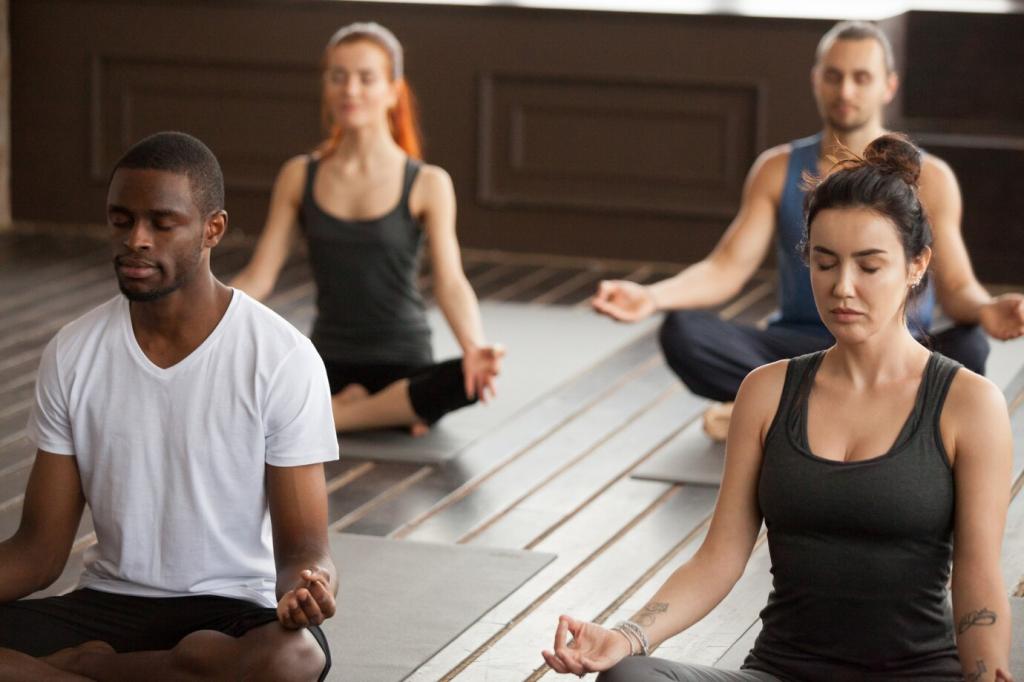
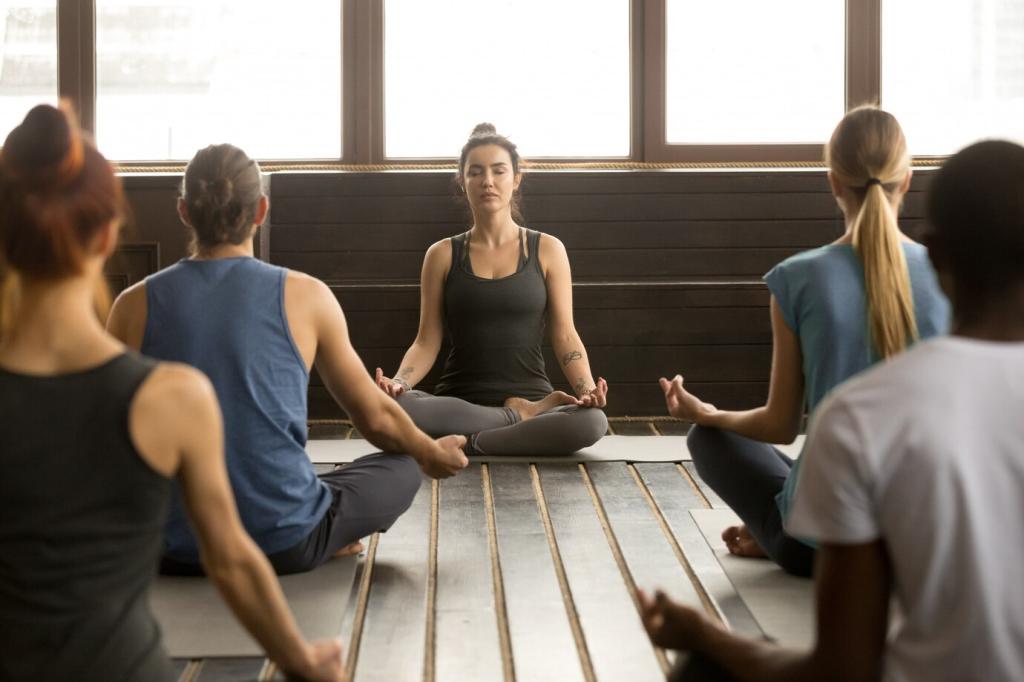
Choose gentle light, a stable cushion or chair, and a position that feels grounded. Keep your spine tall, shoulders soft, and jaw easy. Comfort supports attention. Snap a photo of your corner and inspire someone else’s first sit.
02

Reduce Distractions, Not Reality

Silence notifications, set a timer, and let house sounds be part of practice. Perfection is not required; relationship with real life is. If interruptions happen, pause, breathe, and continue. What distraction surprised you most today?
03

A Simple Ritual to Begin

Light a candle, breathe out slowly, or ring a soft bell. Pair the ritual with a consistent cue like morning tea. Small, repeatable gestures prime your nervous system. Share your ritual so others can borrow and adapt it.

Your First Three Techniques

Sit comfortably, exhale fully, notice breath at nose or belly, count from one to ten, and restart when distracted. Returning kindly is the practice. Keep it light, curious, and brief. Which anchor spot—belly or nostrils—worked better for you?

Your First Three Techniques

Sweep attention from crown to toes, noticing warmth, tingling, or tension without fixing anything. If discomfort appears, soften around it and include breath. This cultivates patient presence. After trying, share one surprising sensation you noticed along the way.

Handling Common Obstacles

Label distractions softly—thinking, planning, remembering—and return to the breath. Shorten sessions, slow your exhale, and try mindful walking. Restlessness is normal early on. Which gentle label helped you detach without pushing thoughts away?

Handling Common Obstacles

Open your eyes slightly, straighten posture, or stand to practice. Morning sessions may feel brighter. A splash of cool water or a brief walk can reset. Tell us where sleepiness hits hardest and which adjustment made a difference.
Building a Sustainable Habit

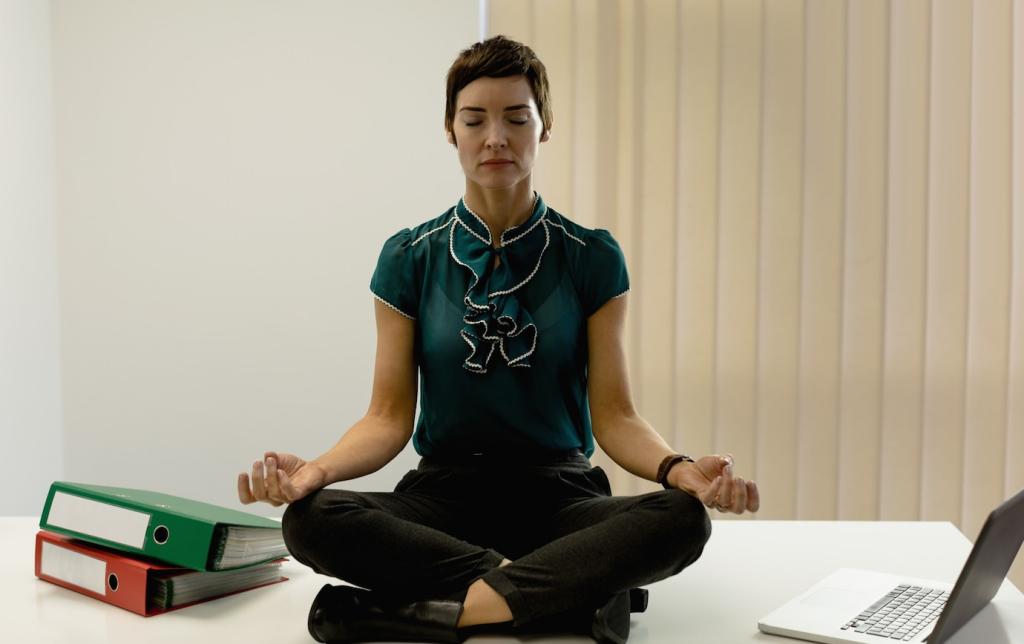
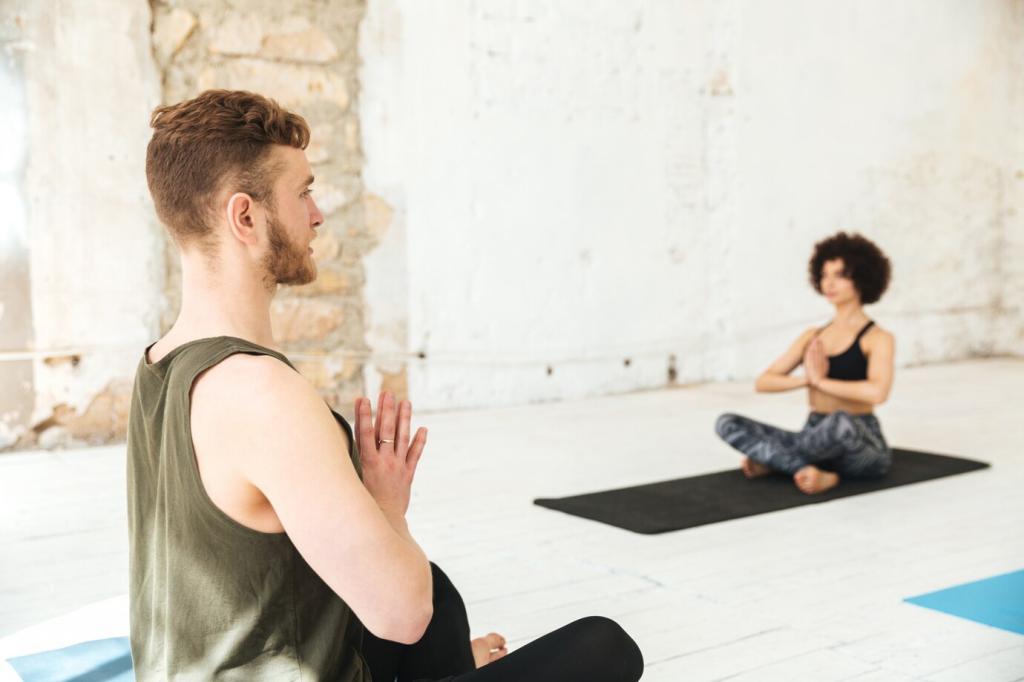
Begin with three minutes daily for one week. Reliability trains confidence, and motivation follows action. If you miss, resume kindly the next day. What small daily window—after coffee, before email—could reliably hold your practice?

What Science Suggests

Slow breathing activates the parasympathetic response, easing heart rate and tension. Programs like eight-week mindfulness training show reduced perceived stress. Try extending your exhale today and report how your body responded after three minutes.

What Science Suggests

Regular practice strengthens networks linked to sustained attention and reduces default mode rumination. Even brief daily sessions can sharpen focus. After a week, notice email habits and mind-wandering. Did returning to breath feel easier by day five?

Meditation in Everyday Moments

Feel your feet meet the ground, the shift of weight, the swing of arms. Walk slowly for ten steps, pause, and breathe. Repeat during breaks. Where could you weave this in—hallways, parking lots, kitchen laps?

Meditation in Everyday Moments

Before the first bite, notice colors, aroma, and texture. Chew slowly, sense flavors changing, and put the utensil down between bites. Gratitude completes the moment. Share your snack experiment and what detail surprised your senses most.
Hsycollection
Privacy Overview

This website uses cookies so that we can provide you with the best user experience possible. Cookie information is stored in your browser and performs functions such as recognising you when you return to our website and helping our team to understand which sections of the website you find most interesting and useful.